

Once upon a time, a group of curious kids built a magic money box out of cardboard. They wanted to share it with friends to help fix broken toys. But instead of coins, the box held something special called **‘Crypto treasuries blockchain’**. These treasures worked like a team of helpers to fund new science ideas. Let’s explore how this magic works!
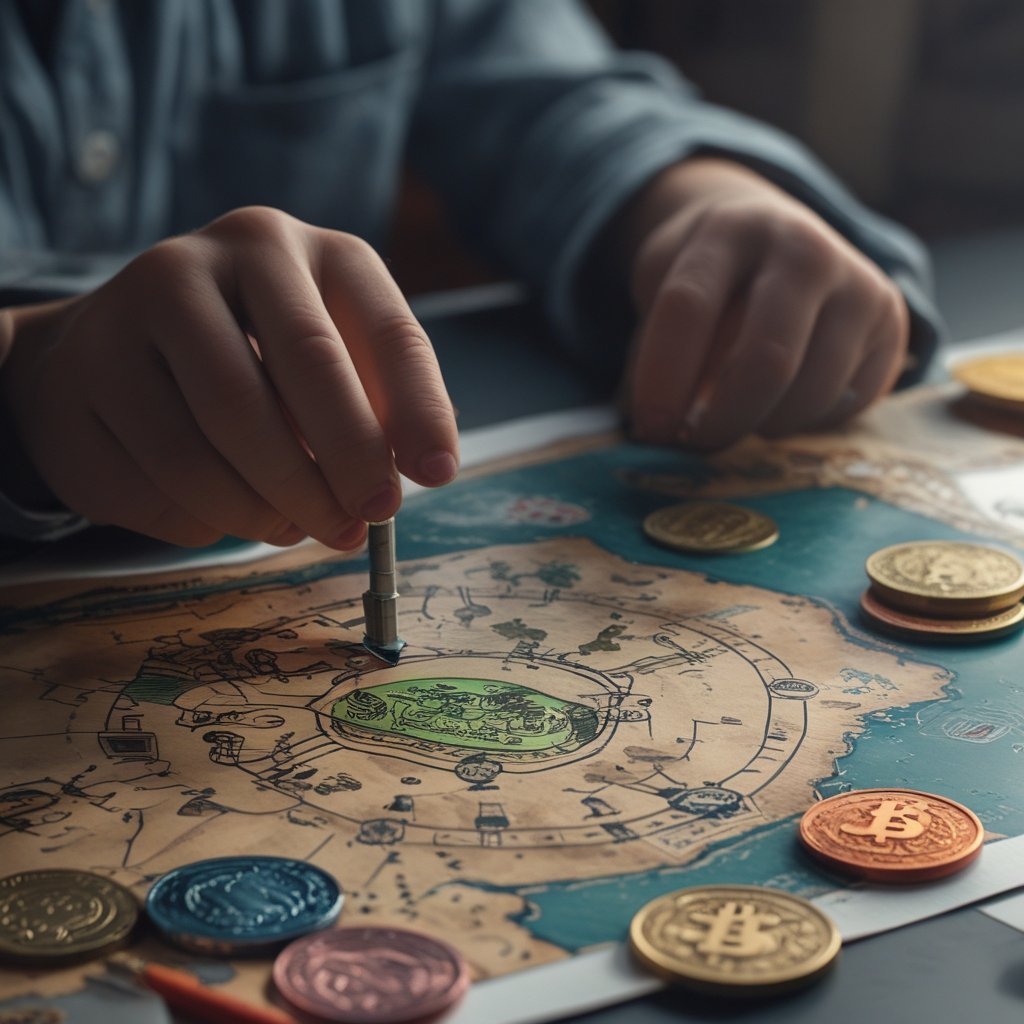
Imagine your classroom has a shared snack stash. Normally, one kid puts in cookies, another adds juice boxes. But if everyone brought a “token” (like a star) to trade snacks, no one person controls it. **Crypto treasuries** are like this! They turn computer code into money that belongs to a group. This group pays scientists to study things like clouds inside a whale’s belly or why frogs have lots of toes.
Decentralized science funding means no single boss
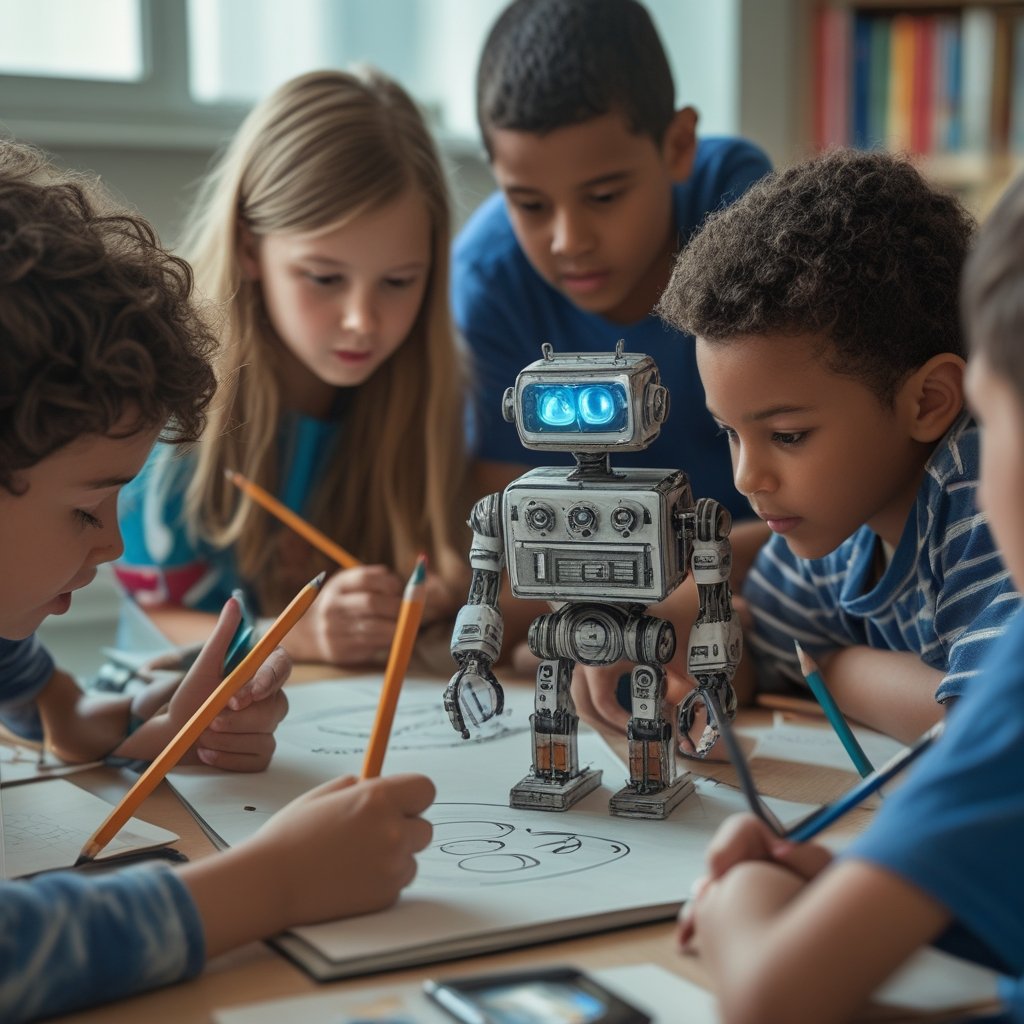
Remember how the class might argue over whether to draw a sky or a castle on a mural? No one says, “My color is the only one!” With decentralized science funding, scientists from everywhere vote on which projects get money. Maybe kids in Tokyo study glow-in-the-dark mushrooms, and kids in Paris grow giant water bubbles! This way, cool ideas everywhere get chances to grow.
Blockchain scientific research is like a puzzle with no pieces missing

Blockchain is like a magic puzzle box. Once you put a piece in, it can’t fall out or change. Scientists use blockchain to track money for experiments. If they mix up a recipe for growing a rainbow plant, everyone can check the steps. No one can erase a step or say the money never existed. It’s like having a diary for science that everyone agrees on.
Alternative research pathways make science cheaper

Sometimes, to build a treehouse, you need a big tractor. But if your train is strong enough, it can pull all the nails. **Crypto treasuries blockchain** help scientists use cheaper tools. If a microscope costs a million gold coins, blockchain could swap tokens to pay for it. Big companies like SpaceX use this to find “space algae” that might eat trash in spaceships. **[Internal Link 1: Harvard’s Piggy Bank Gets Shiny Upgrade: $1B Bitcoin ETF Surge Explained! 🚀](https://primeking.in/harvards-piggy-bank-gets-shiny-upgrade-1/)** when discussing transformative funding models.
How crypto treasuries help animals too!

Oops! Did you know scientists are studying why polar bears get tired faster? Crypto treasuries give them money to track polar bear naps. They stick a tiny chip (like a dog’s collar) on a bear and watch where they go. This helps us save polar bears and build better ice castles for them!
Conclusion: The future is a kid-led science fair

**Crypto treasuries blockchain** is like a giant science fair where every kid gets a voice. They fund science games that teach us how to grow food in space or talk to animals underwater. Want to know more about blockchain? Explore how crypto treasuries blockchain is reshaping decentralized science funding on Cointelegraph. Kids in the U.S. call this **”Trump’s crypto time machine”**! Discover more science games on our Primeking Tech Explorers page.
Final thought
Decentralized science funding means we all win when science is like a playground—no one hoards the cool toys, and everyone gets to play doctor, astronaut, and inventor! What will YOU discover next? 🌟





Leave a Reply